


Furnished studio
Taxable income6 000 €
Tax at 20%1 200 €
Prélèvements sociaux à 18,6 %1 116 €
Impôt en Arabie saoudite0 €
Total in France2 316 €
Soit 19,3 % de vos loyers, sans rien à payer en Arabie saoudite.
Calculate my tax →
Vous vivez en Arabie saoudite et vous possédez un bien en France, ou vous voulez en acheter un ? Qui vous impose, combien, et ce qu’il faut déclarer de chaque côté.
 Saudi ArabiaRules up to date as of 6 November 2026Written by Frédéric Moreau, founder of ImmoPourExpatOfficial sources
La France impose vos loyers et votre plus-value. L’Arabie saoudite n’a pas d’impôt sur le revenu des particuliers : en principe, l’impôt français est définitif.
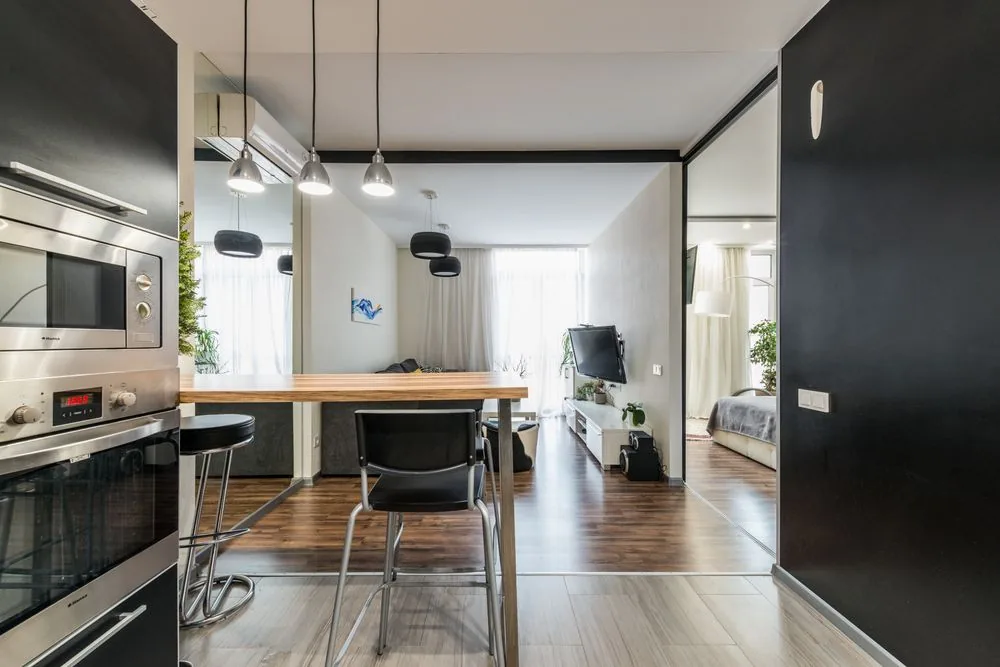



Trois cas calculés pour un résident d’Arabie saoudite, sur les revenus 2025. En principe, aucun impôt saoudien n’est dû sur ces revenus.
Soit 19,3 % de vos loyers, sans rien à payer en Arabie saoudite.
Calculate my tax →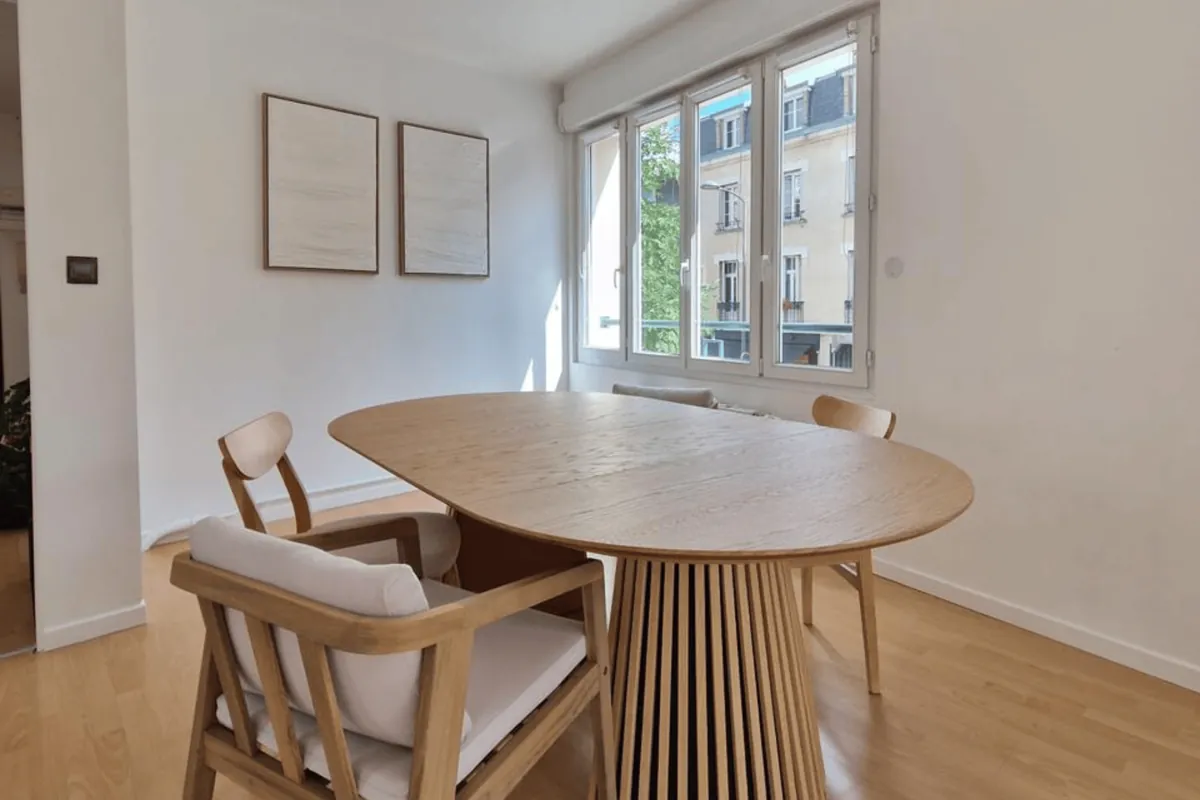
Soit environ 26 % de vos loyers, sans rien à payer en Arabie saoudite.
Calculate my tax →Représentant fiscal obligatoire, car le prix dépasse 150 000 € et la plus-value n’est pas exonérée.
Calculate my capital gain →Être résident au sens de la convention suppose d’être assujetti à l’impôt saoudien : pour un salarié étranger, cela peut être contesté. Vos loyers et votre plus-value n’en dépendent pas, mais l’exonération d’IFI et la règle des successions, si.
Un bien en France se déclare en France chaque année, alors que l’Arabie saoudite demande en principe peu de choses.
 In FranceEn Arabie saoudite
La convention est prorogée pour cinq ans à compter du 1er janvier 2024 : surveillez sa reconduction au 1er janvier 2029.
A clear answer and an example for each topic.
La convention laisse l’imposition des loyers à la France, où se trouve le bien. L’Arabie saoudite n’a pas d’impôt sur le revenu des particuliers : vous payez en principe l’impôt français seul, avec les prélèvements sociaux.
Vous payez en France à la vente : 19 % d’impôt et 17,2 % de prélèvements sociaux, avec des abattements selon la durée de détention. L’Arabie saoudite n’a pas d’impôt sur le revenu des particuliers, sauf activité exercée sur place ou société.
L’article 14 A exonère vos immeubles français si leur valeur ne dépasse pas celle de vos placements français éligibles, détenus plus de 183 jours l’année précédente. L’administration applique ce mécanisme à l’IFI. Sinon, l’IFI est dû au-delà de 1,3 M€ nets.
La convention exige d’être assujetti à l’impôt saoudien, et les salaires n’y sont pas imposés. Pour un salarié étranger, la qualité de résident peut donc être contestée. Aucune source consultée ne tranche ce point pour l’Arabie saoudite.
Votre appartement est taxé en France. Vos comptes et titres de placement ne sont taxés que dans l’État de résidence du défunt, ce qui suppose d’être résident au sens de la convention. Les donations restent hors convention.
Le taux de 7,5 % est réservé aux affiliés d’un régime de l’EEE, de la Suisse ou du Royaume-Uni. Un salarié à Riyad n’est pas concerné : vous payez 17,2 % en location nue et sur la plus-value, 18,6 % en meublé.
L’Arabie saoudite est hors UE et hors EEE : il est obligatoire quand le prix dépasse 150 000 €, seuil par cédant. Il n’en faut pas si la plus-value est totalement exonérée après 30 ans. Banque, société accréditée ou acquéreur peuvent l’être, pas un notaire ni un avocat.
La SCI ne change pas l’imposition des loyers en France. Elle prive de l’exonération de 150 000 € à la revente et compte comme un immeuble pour l’article 14 A. Elle ne garantit pas d’échapper aux droits de succession français.
The official texts
Yes. You file an income tax return in France every year (forms 2042 and 2042 C PRO for furnished rental). Article 5 of the treaty leaves the taxation to France.
Not in the usual case. Saudi Arabia has no personal income tax regime. You pay French tax and social contributions.
Possibly. Article 14 A exempts your French property if your eligible French investments are worth at least as much, held for more than 183 days in the previous year, and the BOFiP applies this mechanism to the IFI. You must also be a resident within the meaning of article 4: an employee who is not subject to Saudi tax may find this challenged. Request a ruling before relying on it.
Nothing guarantees it. Article 4 requires being liable to Saudi tax, and salaries are not taxed there. The Conseil d’État holds, for another treaty, that a person who is exempt is not a resident. Your rents and your capital gain do not depend on it. The IFI and inheritance do.
It is renewed in five-year periods. The current extension took effect on 1 January 2024: it covers the years 2024 to 2028. A new renewal will be needed afterwards. Without it, French law would apply alone to the IFI and to inheritance.
For an inheritance, article 17 § 3 reserves the taxation of movable property, including accounts and investment securities, to the State of residence of the deceased. This assumes that you are a resident within the meaning of the treaty. Life insurance and SCI shares follow their own rules. For a gift, the treaty does not apply: the French rule applies.
Not as the texts stand. It targets nationals of the EU or EEA, and the BOFiP extends it only to people protected by a non-discrimination clause. The France-Saudi Arabia treaty contains none.
Not to income tax: the flat-rate taxation on rental value was abolished from 2015 income, and article 5 § 4 already ruled it out for Saudi residents. You pay property tax and housing tax on second homes, and the property falls within the IFI base.
An SCI does not change how rents are taxed in France. It deprives you of the €150,000 exemption on resale. It counts as a property for article 14 A as soon as its assets are more than 50% real estate. It does not guarantee that you avoid French inheritance tax. To be studied with your adviser.
 Switzerland
 Luxembourg
 Belgium
 United Kingdom
 Dubai
 United States
 Canada
 Singapore
 Spain
 Germany
 Netherlands
 Australia
 Italy
 Portugal
 Ireland
 Mexico
 Sweden
 Poland
 Denmark
 Norway
 Austria
 Czechia
 Greece
 Romania
 Serbia
 Brazil
 Chile
 Colombia
 New Zealand
 Japan
 South Korea
 China
 Hong Kong
 Taiwan
 Malaysia
 Thailand
 Indonesia
 Vietnam
 Qatar
 Turkey
 Morocco
Rules up to date as of 6 November 2026, drawn from the text of the treaty published on impots.gouv.fr and from the BOFiP. This page provides information on the general rules: it does not replace tax advice on your situation.
Vous vivez en Arabie saoudite et vous voulez investir en France : un échange pour voir comment on peut vous accompagner.
Talk to an expertThe information on this page is general and does not replace tax, legal or financial advice suited to your situation.

Investing from abroad has never been so simple
ImmoPourExpat supports expats and non-residents from A to Z who want to invest in property in France: financing, property search, renovation works, taxation and remote management.
TrustpilotTrustScore 4,8 | 276 reviewsSubscribe to our newsletter, the latest in property investment for expats and non-residents
By subscribing, you accept our privacy policy
Get our bank ranking for expats and non-residents, updated for 2026, and find out which banks to submit your application to.
Thank you! Your ranking is ready.
Download the PDF ↓