Is a permit to let required in Perpignan?
Yes, in certain neighbourhoods. In Saint-Jacques, Saint-Mathieu and La Réal, prior authorisation is required before each first let or change of tenant: the answer arrives within 30 days of a complete application, and the authorisation lapses if the home is not let within two years. Within the Action Cœur de Ville perimeter, it is enough to declare the let within 15 days of signing the lease. Elsewhere, no such step is required. Check the address on the City's rental permit website.
Are rents capped in Perpignan?
No. Perpignan is not among the areas that apply rent control, and it is not a high-demand zone: you set the rent freely at each new lease. In a city where vacancy stands at 14.6%, a rent that is too high is paid for in months without a tenant: align with the rent map and local listings.
Is Perpignan in a high-demand rental zone (zone tendue)?
No: Perpignan appears on none of the high-demand zone lists, neither the one in force nor the one that will apply in 2027. The tenant of an unfurnished home must therefore in principle give three months' notice. The new vacancy tax is only due if the municipality has adopted it: no Perpignan resolution to that effect was found for 2027.
Why is the gross yield so high in Perpignan?
Because purchase prices are low, at a median €1,503 per m² according to DVF statistics, while advertised rents for small flats reach €13.6 per m² including charges. This gross yield says nothing about risk: vacancy affects 14.6% of homes according to INSEE, and unemployment reaches 12.8% in the employment area, against 8.3% in France. The real yield therefore depends above all on the street, the condition of the property and the quality of management.
Can you do seasonal rental in Perpignan?
It is possible, with the sea and Spain nearby. No local change-of-use regulation was found: a furnished tourist rental that is not your main residence is declared at the town hall. Lets of less than four months a year are exempt from the rental permit. Compare the expected income with a long-term let, which is simpler to manage from a distance.
How do you manage a property in Perpignan from abroad?
Entrust the property to a property management agency that knows the permit to let and the local market. It selects the tenant, collects the rents, carries out check-in and check-out inspections and handles minor works. Rent guarantee insurance is strongly recommended. Also arrange a power of attorney with the notary so you can sign the purchase without travelling, and a trusted tradesperson for emergencies.
Does Perpignan have a safeguarded sector?
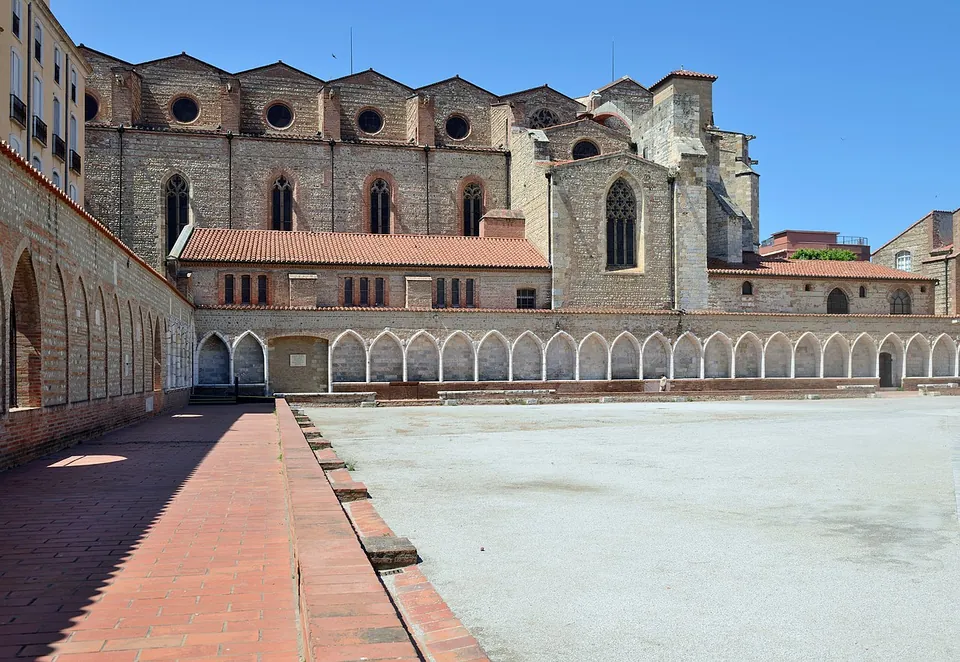
Yes. The old centre is covered by a safeguarding and enhancement plan, last amended on 18 May 2022: works there go through the Architecte des Bâtiments de France, and property restoration operations require works on certain buildings.
Is Perpignan exposed to natural risks?
Yes. The municipality is in seismic zone 3, moderate, and a natural risk prevention plan has applied since 2000; its revision for floods of the Têt is under public inquiry until 18 November 2026. Read the risk statement for each property before buying.
What budget should you plan for investing in Perpignan?
According to the sales recorded in DVF from January 2025 to December 2025, a studio sold for a median price of €45,000, a two-room flat sold for a median price of €72,000, a large home sold for a median price of €112,000. Allow around 8% notary fees on top for existing homes, and a works budget if the energy performance certificate is poor.
What is the property tax in Perpignan?
In 2026, the municipal property tax rate is 47.15%, plus 2.00% for the intermunicipality. These rates apply to half of the home's cadastral rental value: ask the seller for the latest property tax notice to find out the amount.
What does a property in Perpignan earn after tax when you live abroad?
For a furnished 40 m² two-room flat bought for €60,120 and let for €544 a month, about 9.4% of the price remains after tax if you are affiliated in the European Union, the EEA, Switzerland or the United Kingdom without being covered by a compulsory French scheme, and 8.8% otherwise, under the micro-BIC regime and at the minimum rate of 20%. Charges, property tax and purchase fees are not deducted.
What happens if I sell my property while living abroad?
The capital gain is taxed in France at 19%, plus social contributions, and the notary withholds this tax at the time of sale, with an exemption from tax after 22 years and from social contributions after 30 years of ownership.








 Lives in the United States
 Lives in Spain