Is Cannes in a high-demand rental zone (zone tendue)?
Yes. Cannes is among the communes in a tight housing zone in the Nice urban area, and in the decree of 25 August 2026 that replaces the 2013 decree in 2027. For a lease signed between 1 August 2026 and 31 July 2027, the rent of a home that is re-let may not exceed that of the previous tenant, except for exceptions provided for by law, and the tenant of an unfurnished home benefits from a reduced notice period of one month. However, Cannes does not apply reference-rent capping as in Paris or Lyon.
How do you register a tourist rental in Cannes?
Cannes town hall requires any furnished tourist accommodation, main or second residence, to be declared through the tourist tax online service or on a paper form. You receive a 13-character registration number, to be displayed on every listing. A main residence is limited to 120 days of letting a year. You must also collect and pay over the tourist tax. A national online registration service is announced for the end of 2026, and failing to declare exposes you to a civil fine of up to €5,000, according to Service Public.
Do you need a change-of-use authorisation in Cannes?
The City’s official pages do not mention any change-of-use authorisation, and we found no council decision introducing one. The law does, however, allow the commune to introduce it at any time. Before buying a property for seasonal letting, ask the town hall’s planning department for a written answer, and check that the co-ownership rules allow furnished tourist accommodation.
Is a student studio in Cannes a good idea?
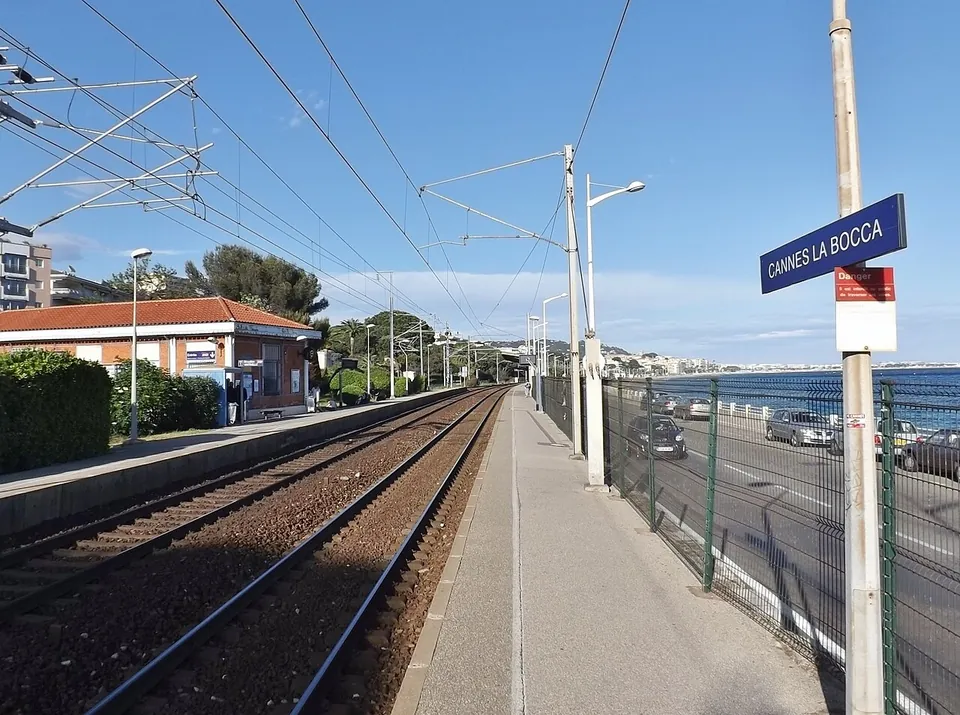
Demand exists around the Bastide Rouge campus, in La Bocca, which welcomed about 1,000 students when it opened in 2021 according to Université Côte d’Azur. It is a small number compared with a large university city. Check the distance to the campus, the length of the courses and the quiet months of the summer. The year-round furnished let and the student lease are the formulas to compare.
How do you manage a property in Cannes from abroad?
Most remote investors hand the property to a management agency, on a year-round basis or through a concierge service for short-term rental. The agency selects tenants, collects rents and oversees renovation works. If needed, sign the purchase by proxy at the notary. Have a DPE carried out before making an offer: a property rated G can no longer be given a new lease since 2025, according to Service Public.
Is façade renovation compulsory in Cannes?
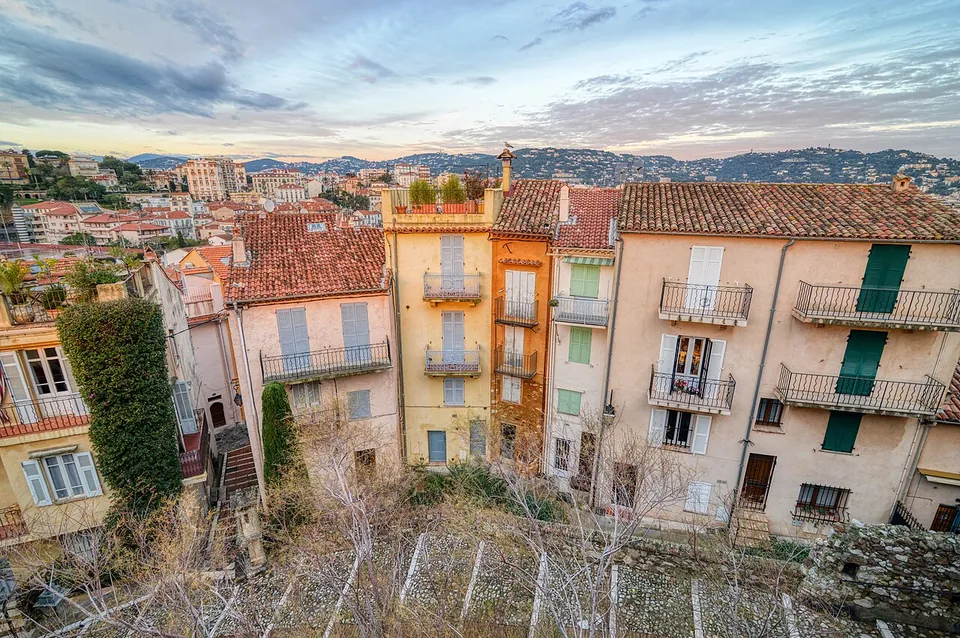
Yes. It is compulsory every ten years throughout the commune, by prefectural decision of 10 December 2001. The City has subsidised full façade renovations since 2015, with a higher-rate zone that includes Le Suquet. Ask the managing agent for the date of the last façade renovation before buying.
Are second homes more heavily taxed in Cannes?
No. According to the DGFiP study of the 2026 council decisions, Cannes does not apply a surcharge on the residence tax for second homes, unlike Antibes or Mandelieu-la-Napoule.
What budget should you plan for investing in Cannes?
According to sales recorded in DVF from January 2025 to December 2025, a studio sold for a median price of €157,515, a two-room apartment for a median price of €250,000 and a large home for a median price of €512,400. Allow about 8% notary fees on top for older properties, and a works budget if the energy rating is poor.
What is the property tax (taxe foncière) in Cannes?
In 2026, the municipal property tax rate is 27.12%. These rates apply to half the cadastral rental value of the home: ask the seller for their latest property tax notice to know the amount.
How much does a property in Cannes earn after tax when you live abroad?
For a 40 m² furnished two-room apartment bought for €218,400 and let for €912 a month, about 4.3% of the price remains after tax if you are covered by a scheme in the European Union, the EEA, Switzerland or the United Kingdom without depending on a mandatory French scheme, and 4.0% otherwise, under the micro-BIC regime and at the minimum rate of 20%. Charges, property tax and purchase costs are not deducted.
What happens if I sell my property while living abroad?
The capital gain is taxed in France at 19%, plus social contributions, and the notary withholds this tax at the time of sale, with an exemption from tax after 22 years and from social contributions after 30 years of ownership.




 Lives in the United States