






Property search
You spot properties with your alerts, the agents in our network and the Edgar app, and your coach analyses them with you up to the offer.
Property search for expats →
You live in Amsterdam, Rotterdam, The Hague or Eindhoven and want to invest in France? Salary in euros, social contributions reduced, Dutch box 3: what changes when you live in the Netherlands, with our members’ application.




1,000+ expats and non-residents
supported since 2017
4.8 on Trustpilot
276 client reviews






Dutch tax resident, employee or self-employed, whatever your nationality.
See how to finance your purchase →You are a Dutch resident, with an expat regime. If you had it before 2024, you can still, until 2026, leave your French property out of box 3.
See how to finance your purchase →From your return, you become a French tax resident again: your rents then follow the rules for residents.
See which rules apply →Even with the desire and the means, investing in France from the Netherlands has its pitfalls: here are the four that our members had to overcome.
Where our members liveBig cities
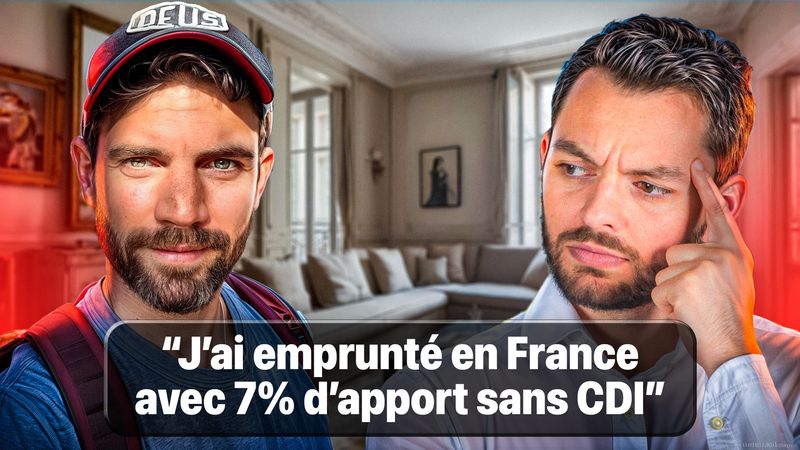
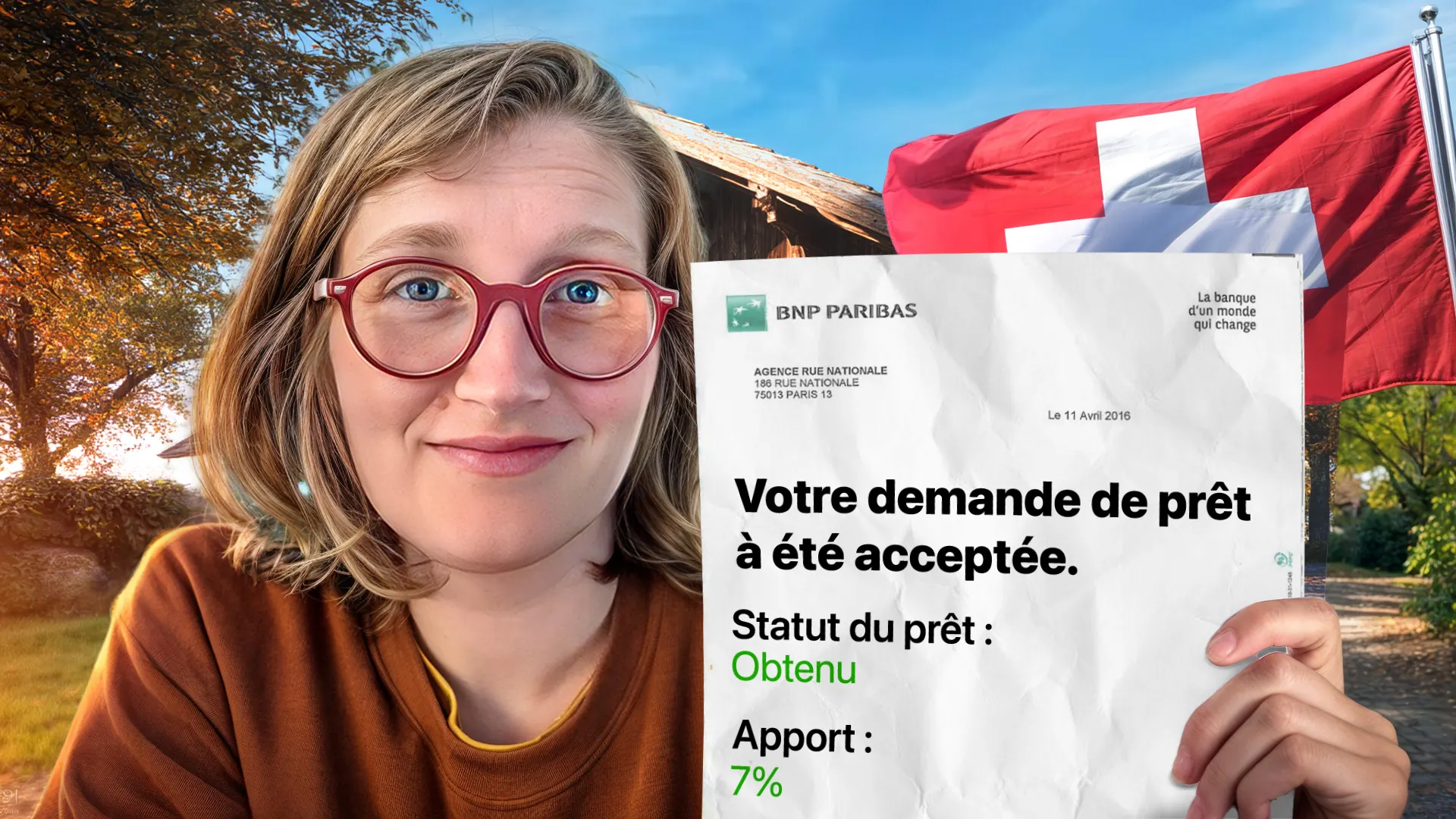
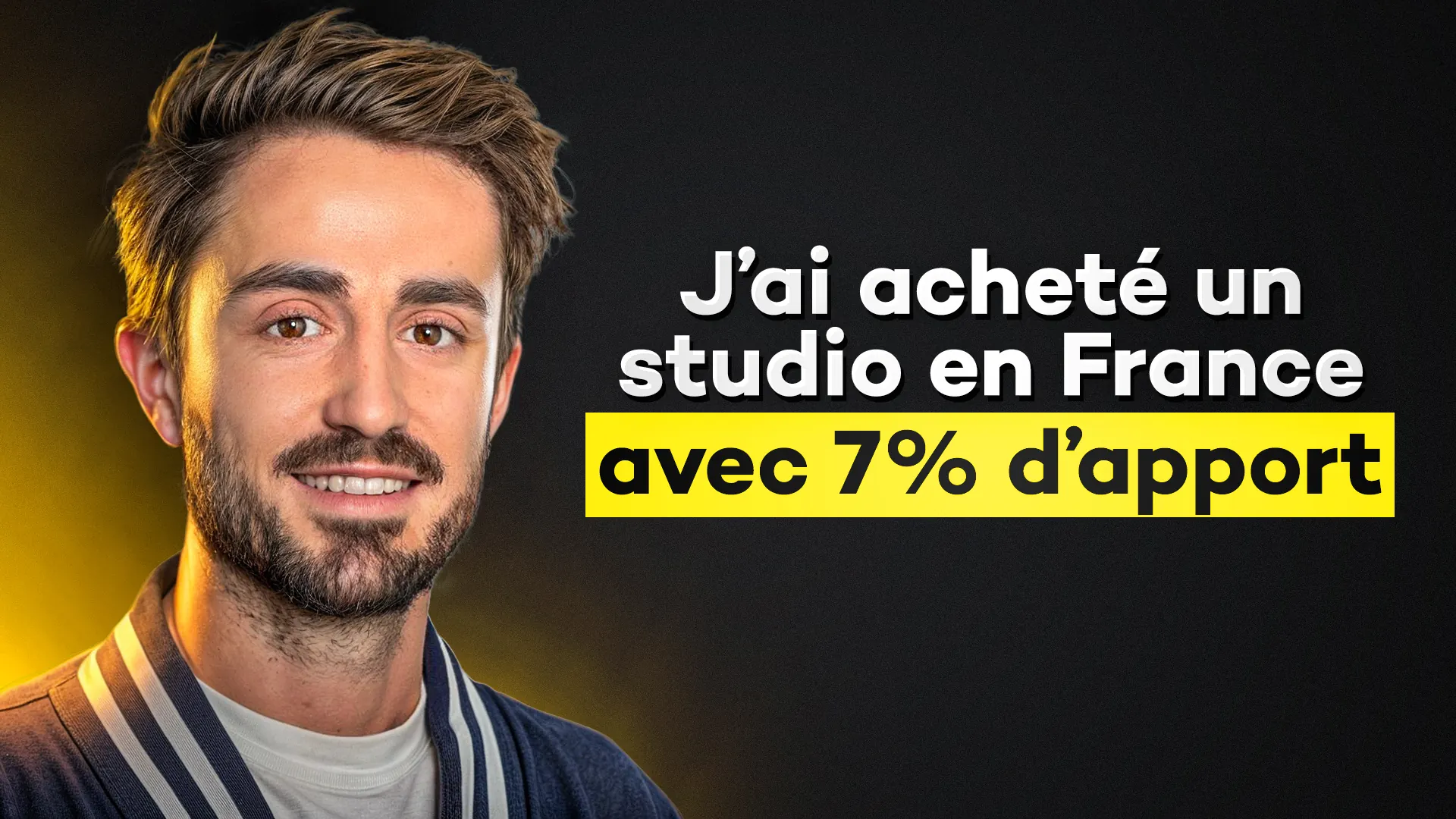
Your income is in euros: no currency risk for the bank. One of our members in Amsterdam bought with a down payment of around 7%, over 20 years.
See the financing →Your rents and your capital gain are taxed in France. In the Netherlands, the property goes into box 3, with a reduction that removes the corresponding share of tax.
See the tax treatment →Affiliated to Dutch social security, you pay 7.5% social contributions in France.
See the tax treatment →Viewings, renovation works, management: our members buy remotely, with a network on the ground to follow the works and the letting.
See where to invest →

A former corporate lawyer in Luxembourg and then Hong Kong, Frédéric Moreau found no method designed for non-residents when he wanted to invest in France. He created his own, tested it on his own properties, then founded ImmoPourExpat to support expats from A to Z, wherever they live in the world.
It all starts with a free strategy meeting. Then, from finding the property to taxation, including financing and renovation works, we support you at your own pace.
You spot properties with your alerts, the agents in our network and the Edgar app, and your coach analyses them with you up to the offer.
Property search for expats →
Structuring your bank application, introductions to our partners specialising in non-residents, and a list of banks to approach.
Property financing for expats →
Controlled quotes, vetted tradespeople and site monitoring by a local contact: your renovation works move forward without you having to catch a plane.
Remote renovation for expats →
Optimise the taxation of your investment with our personalised advice: legal structuring, tax regime, wealth solutions.
Taxation for expat investors →They live in the Netherlands and have invested in France: their projects on video and their unfiltered reviews.
I am very satisfied with the support from the whole IPE team. The advice offered through the videos and workshops is clear, practical and very useful for moving my project forward. I particularly appreciate the quality of the content and the relevance of the discussions in the workshops. Serious, enriching support that I highly recommend!
 Bruno beaubernardNetherlands, 15 October 2026Read the review →Trustpilot
It is quality support! The whole programme is designed to learn but above all to take action while truly feeling supervised! What richness and what professionalism! And I would add that the humanity of the experts and belonging to a community also make the difference! I recommend without hesitation!
JjenniferNetherlands, 23 January 2026Read the review →TrustpilotI took the subscription and it gave me a big boost. I have since bought my first apartment and I clearly feel I have much better expertise.
AGarthur guillaumeeNetherlands, 17 September 2025Read the review →TrustpilotVery satisfied with my experience with IPE (Immo Pour Expat). Communication is excellent, exchanges are smooth and I really feel supported throughout the project. J’ai surtout le sentiment que nous travaillons en équipe, avec une bonne compréhension des objectifs et une vraie volonté d’avancer ensemble. C’est très appréciable de pouvoir compter sur une équipe disponible, à l’écoute et impliquée. Je recommande vivement IPE !
 Brice DBJapan, 30 October 2026Read the review →Trustpilot
Dynamic and responsive team. Sound, precise advice, adapted to personal situations Différentes stratégies proposées pour s’adapter aux évolutions du marché Je recommande !
 Cyrielle NisLuxembourg, 30 September 2026Read the review →


 ▶See the testimonial
 Lives in the United States
Building with 4 units and 3 garages in the very centre
See their project → ▶See the testimonial
 ▶See the testimonial
 ▶See the testimonial
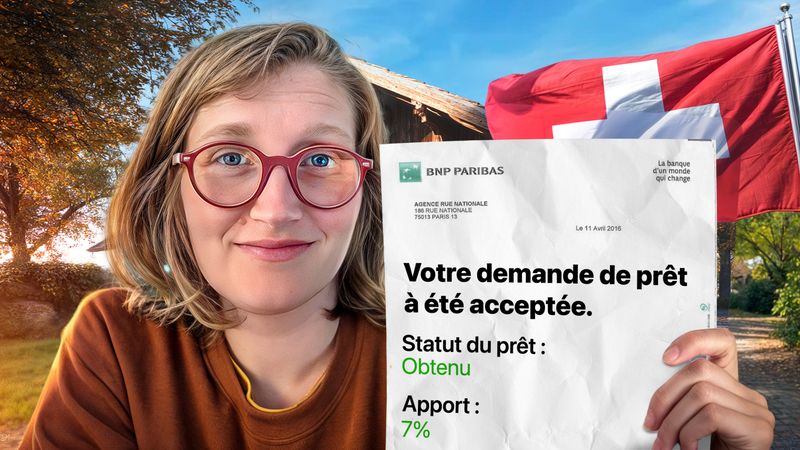
 Lives in Switzerland
Two properties, including a 3-bedroom house share
See their project → ▶See the testimonial
 ▶See the testimonial
 ▶See the testimonial
 ▶See the testimonial
 Lives in Canada
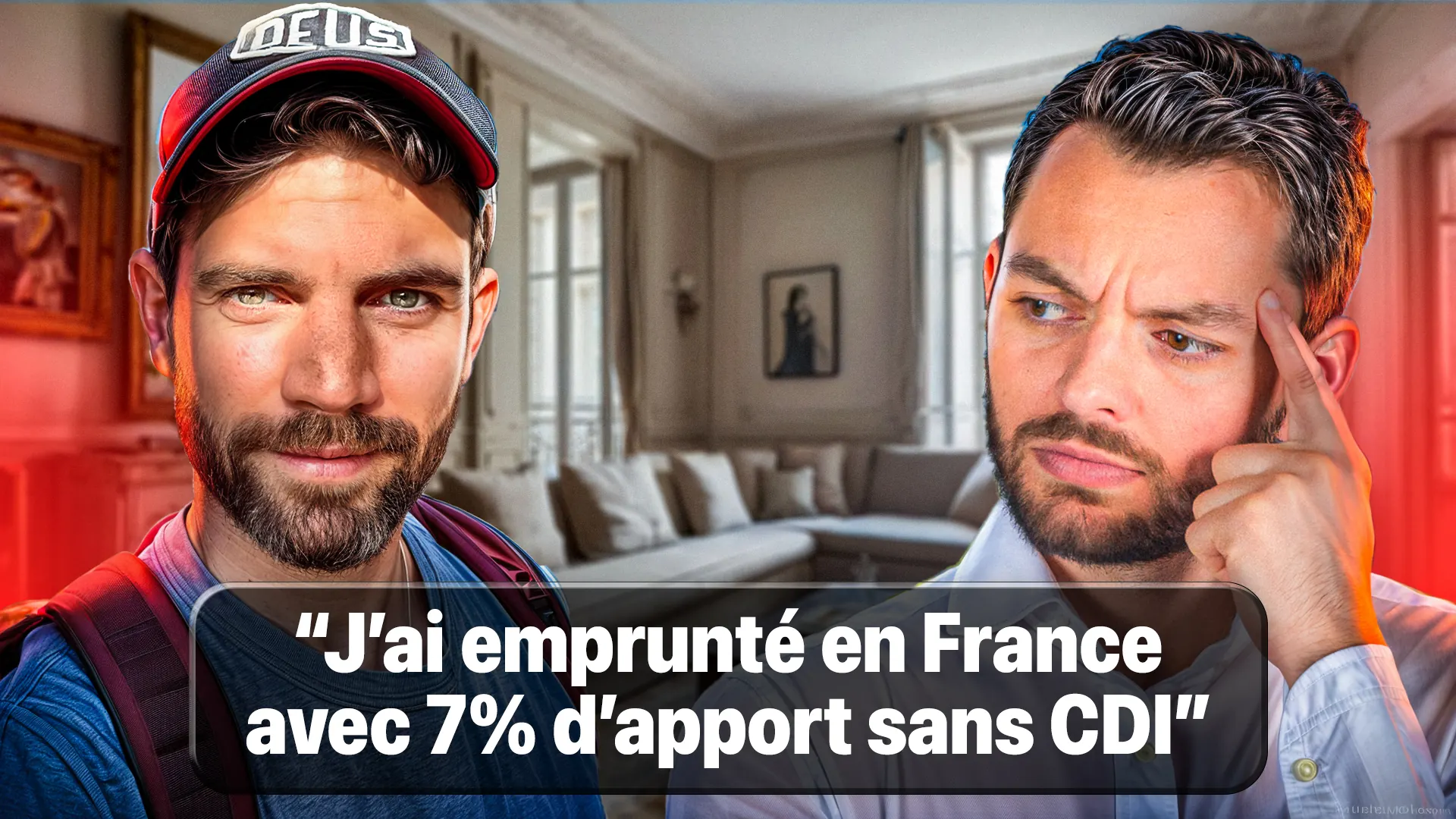
32 m² studio in the very centre, without a permanent contract
See their project →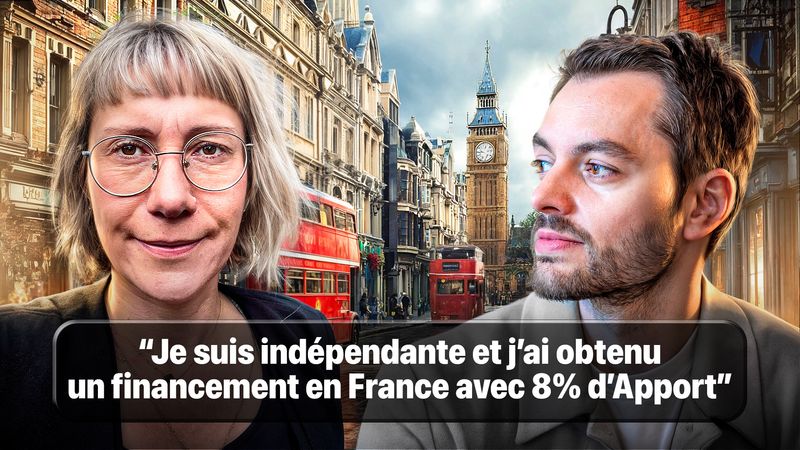 ▶See the testimonial
 ▶See the testimonial
From the Netherlands, our members often buy where they have ties: Lois, who lives in Amsterdam, chose a small town about twenty minutes from Lyon by train, where his family lives, for a studio next to the station.
 Near LyonLois’s project
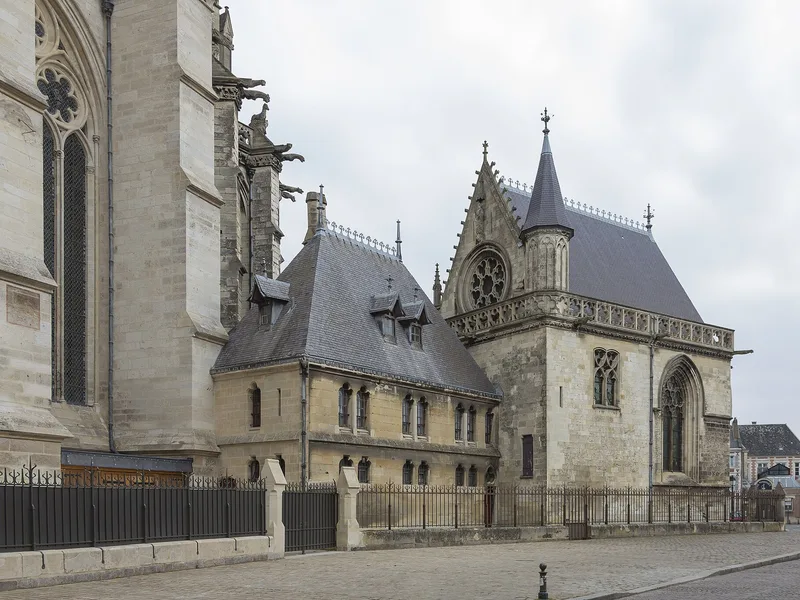 AmiensThe project of Axelle, who lives in the United Kingdom
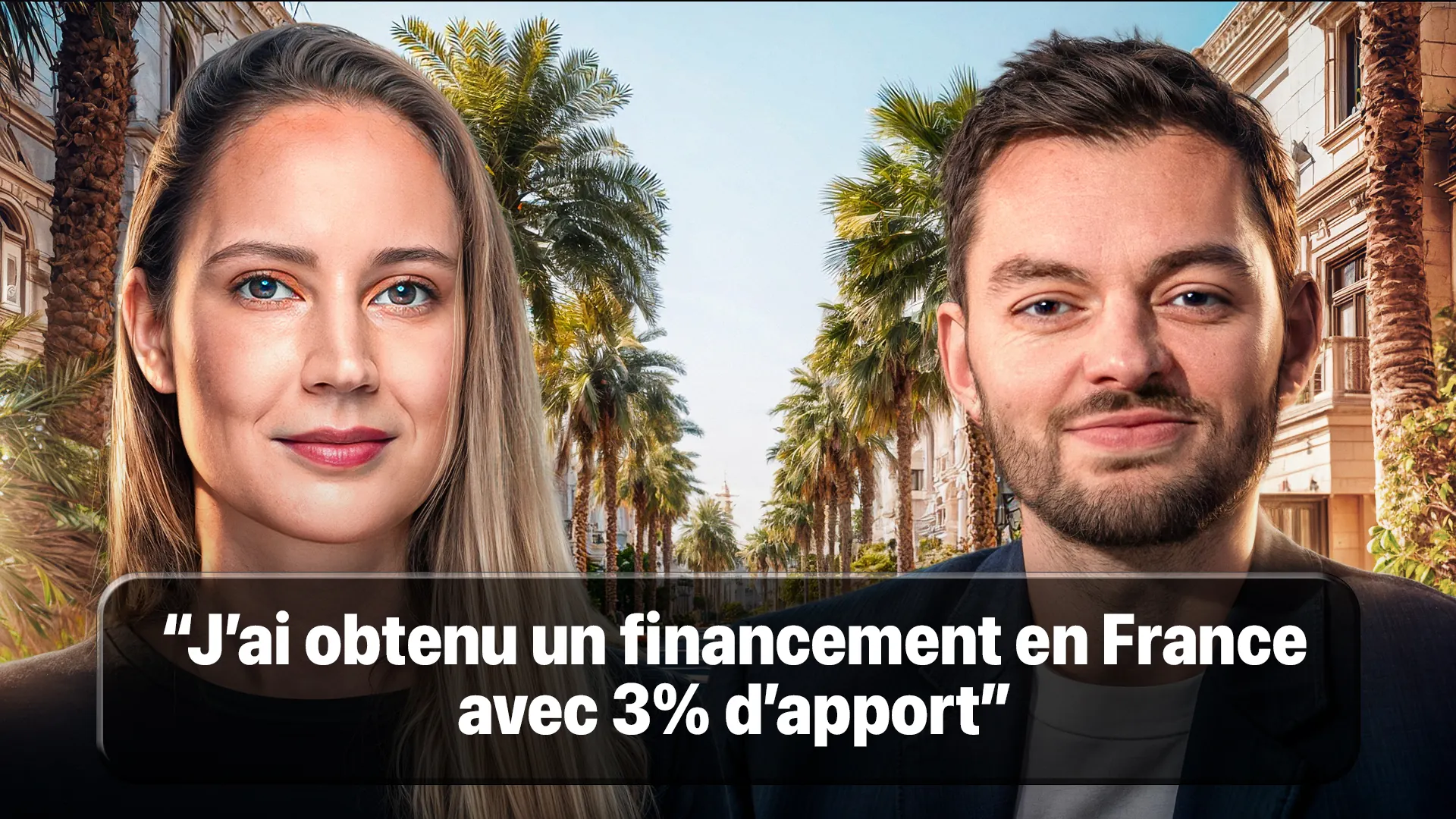
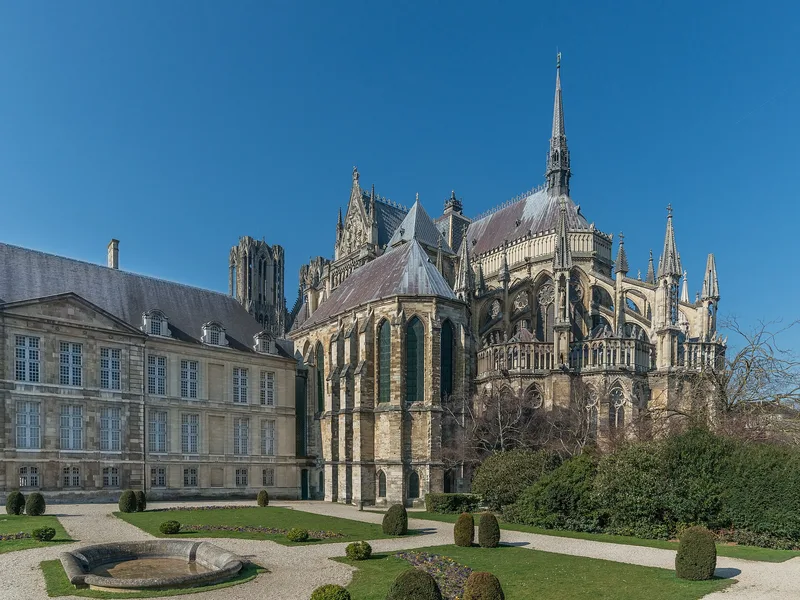 ReimsThe project of Anne-Claire, who lives in Dubai
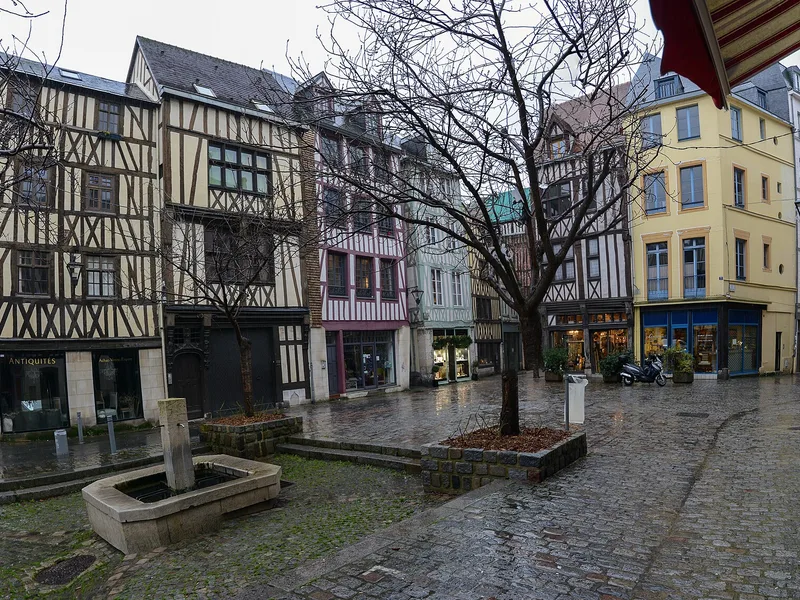 RouenThe project of Jérémy, who lives in Spain
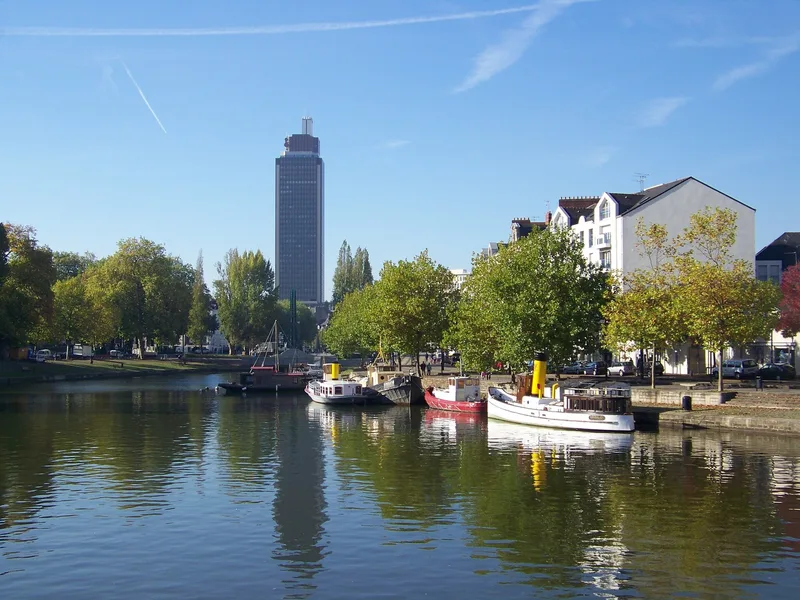 NantesThe project of Yanis, who lives in Denmark
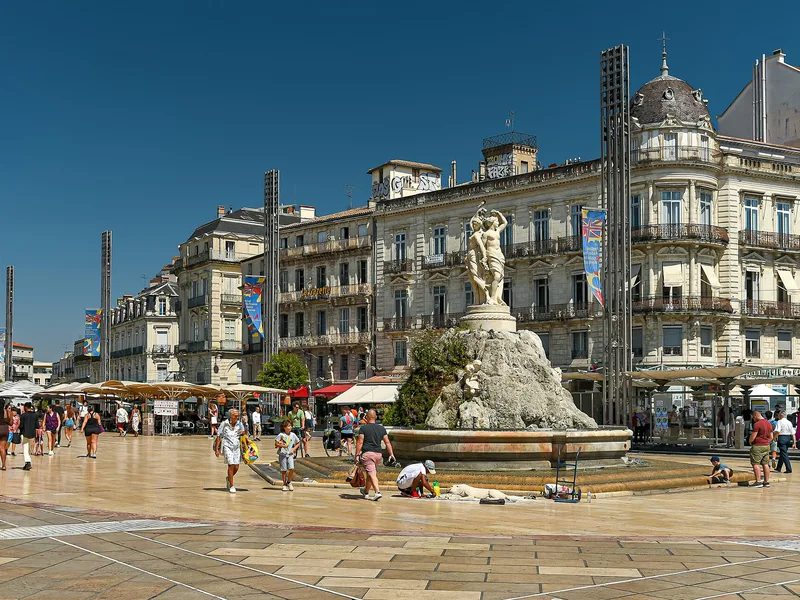 MontpellierThe project of Corentin, who lives in Canada
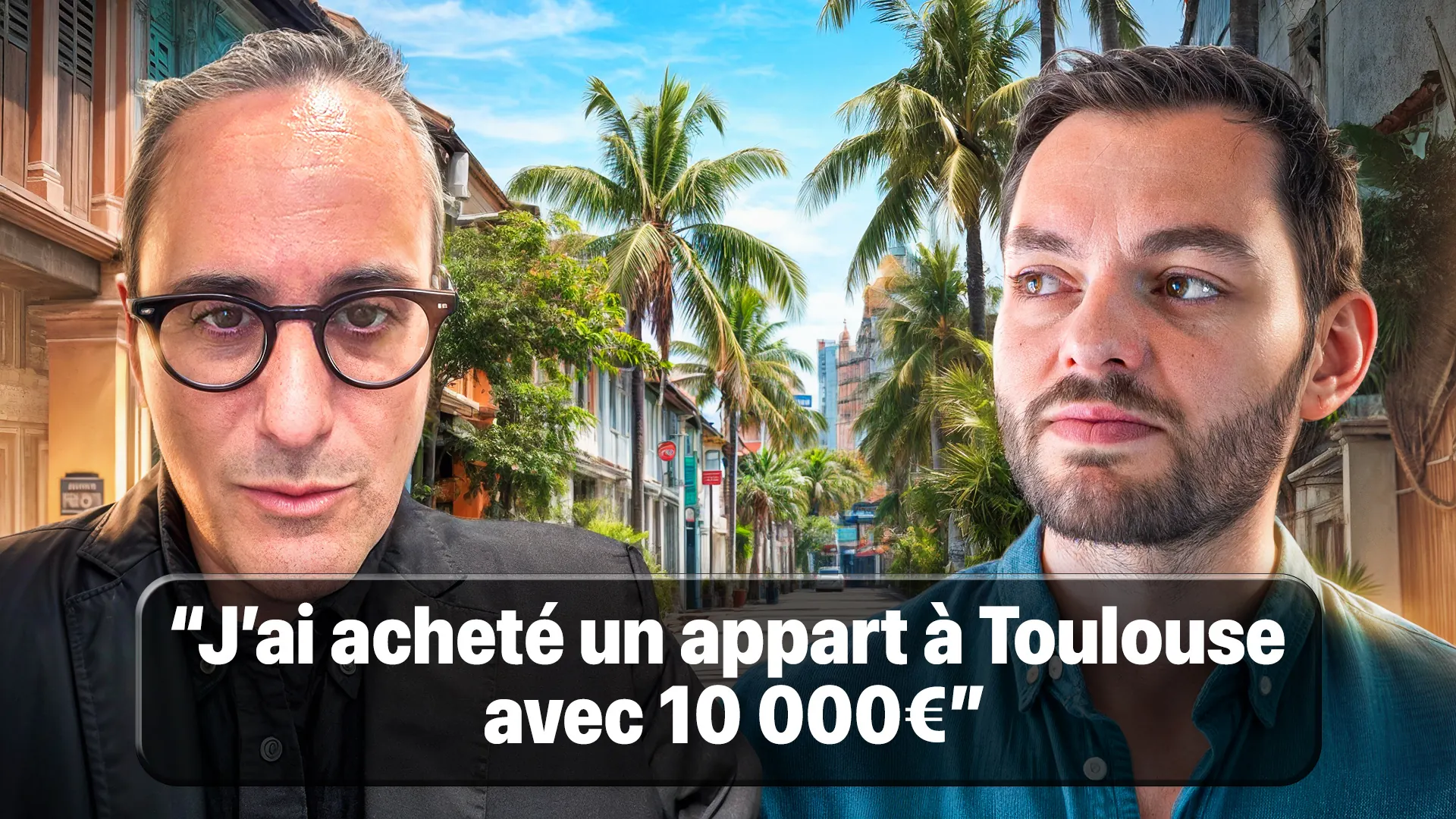
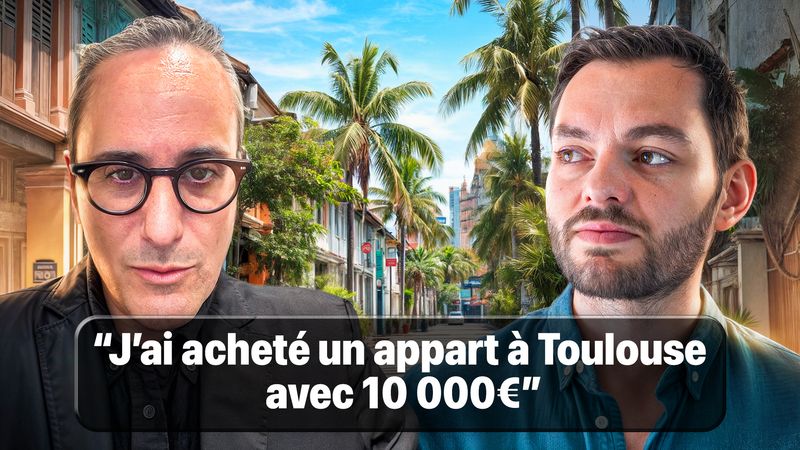
 ToulouseThe project of Sébastien, who lives in Singapore
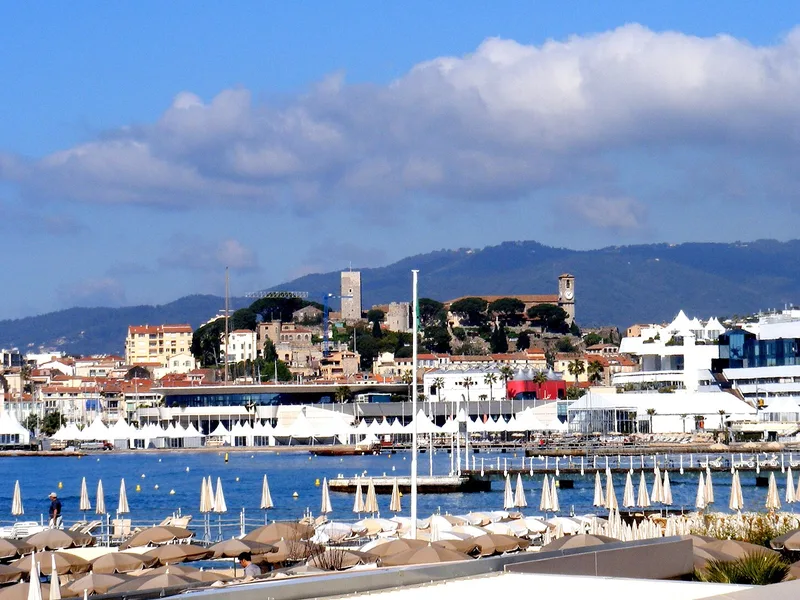 CannesThe project of Julien, who lives in the United States
Instantly estimate your borrowing capacity from abroad, or the tax you will pay on your rents depending on your country.
The calculation is done in your browser: no data is sent. See all our calculators (taxes, capital gains…) →
What a purchase in France brings you when you live in the Netherlands, and what you need to meet to benefit from it.
French banks apply the HCSF standard to residents of the Netherlands: a 35% debt-to-income ratio, insurance included, and a term of 25 years at most. Your income in euros spares them the currency risk, but not all of them accept non-residents, and some ask for a high down payment: searching alone, Lois, who lives in Amsterdam, was told that expats were not supported, and one bank asked him for a 25 to 30% down payment. The choice of banks and the way the application is presented make the difference.
How much can you borrow? Your income in euros is counted at 100%: leave the share counted at 100%.
Also read: which banks lend to expats and how much down payment to plan for.
| In France | In the Netherlands | |
|---|---|---|
| Rents | Taxed in France: progressive scale with at least 20% up to €29,579, then 30% (2025 income), unless your worldwide average rate is lower, plus 7.5% social contributions if you are affiliated in the Netherlands. | Not taxed as rents. The property goes into box 3, with a reduction that removes the corresponding share of tax (article 24 of the treaty). |
| Capital gain on resale | Taxed in France: 19% plus 7.5% social contributions, with allowances from the 6th year and a surcharge if the gain exceeds €50,000; no tax representative. | No tax on the gain: the current box 3 taxes a flat-rate return, and the treaty allocates this gain to France (articles 13 and 24). |
| Wealth | IFI if your net French property wealth exceeds €1.3 million. | Box 3: 36% of a flat-rate return (6% for property in 2026), above €59,357 per person, with the reduction for the French property. |
| Inheritance | No treaty: France taxes your French property. | Dutch inheritance duties if the deceased lived in the Netherlands, with a possible reduction for French tax on the property: to be checked with a notary. |
The €150,000 exemption on the capital gain remains open to French nationals, under conditions. The exemption for a former main residence also applies, because the Netherlands is in the European Union: sale by 31 December of the year following departure at the latest, with no letting or lending of the home in the meantime. The two cannot be combined. On the Dutch side, the reduction for double taxation is calculated in your return: its amount depends on the rest of your wealth and on your loan.
Also read: how the rents of a non-resident are taxed.
| Unfurnished rental | Furnished rental (LMNP) | SCI subject to income tax | |
|---|---|---|---|
| Tax on rents | Micro-foncier (30% allowance) or actual regime, expenses and interest deducted | Micro-BIC (50%) or actual regime, with depreciation of the property, which often cuts tax sharply | Like unfurnished rental, at the level of each partner |
| On resale | Capital gain of individuals, allowances for length of ownership | Same, but the depreciation deducted is added back | Capital gain of individuals, without the €150,000 exemption |
| Who it suits | Simple long-term rental | The most common choice of our members | Buying with others, passing on wealth |
Before buying through a French SCI, have a Dutch tax specialist check how your shares are declared in box 3 and how the reduction for double taxation applies there.
The right choice depends on your project and your country: compare with the rental income tax calculator.
A furnished studio let at €1,000 a month by a person who lives in the Netherlands, affiliated to Dutch social security (furnished rental under the micro-BIC regime, 2025 income).
In the Netherlands: no tax on the rents themselves. The studio goes into your box 3, with a reduction that removes the corresponding share of tax.
Without affiliation to a European, Swiss or British social security system, social contributions would rise to €1,116, i.e. €2,316 in total.
Run the numbers for your property. Choose “affiliated to the social security of an EU country” and “European Union” in the calculators.
As a Dutch resident, you declare your French property in box 3 of your tax return (aangifte inkomstenbelasting), at its market value, and your mortgage as a debt. Box 3 does not tax your rents: it taxes at 36% a flat-rate return on your wealth (6% for property in 2026, 5.88% in 2025), above €59,357 per person in 2026 (€57,684 in 2025). The treaty then obliges the Netherlands to remove from this tax the share that corresponds to the French property: this is the reduction to avoid double taxation, calculated in the return. If your actual return is lower than this flat rate, you can ask for it to be used instead.
After several rulings of the Hoge Raad, the Dutch Supreme Court, the tax authority must use your actual return when it is lower than the flat rate. A law on actual return (Wet werkelijk rendement box 3) was adopted by the Tweede Kamer on 12 February 2026, for entry into force planned on 1 January 2028. The Senate (Eerste Kamer) has postponed its vote pending a corrective law: the text and its date may still change. In this draft, property would be taxed each year on its rents, and on the gain realised at sale rather than on its annual rise in value. How the reduction for a property in France will apply there remains to be clarified.
The 30% rule (expatregeling) allows your employer to pay you up to 30% of your salary tax-free, for 5 years at most; this cap falls to 27% in 2027, unless you have benefited from it since 2023 or before. It also allowed you to be treated as a non-resident for box 3: your French property did not appear there. This option disappeared on 1 January 2025. If you had the 30% rule before 2024, you keep this option until 2026 inclusive, as long as the rule applies; afterwards, your French property goes into box 3 as for any resident.
The online training, from financing to letting, designed for non-residents.
Your questions put live to the team, throughout the support programme.
Banks, tradespeople, agents and managers used to working with remote investors.
The steps of the ImmoPourExpat method, from the first call to letting →
Rules checked on 3 November 2026 (France–Netherlands tax treaty of 16 March 1973 on impots.gouv.fr, BOFiP, impots.gouv.fr, Belastingdienst, rijksoverheid.nl). The financing conditions cited are those of our members’ applications, at their date. This page provides information on the general rules: it does not replace tax advice or a loan offer.
Official texts: impots.gouv.fr: income tax for non-residents · impots.gouv.fr: non-residents’ property capital gains · DGFiP: the specific features of non-resident taxation (fact sheet, March 2026) · BOFiP: BOI-RFPI-PVINR-20-20, capital gains of non-residents.
A 45-minute conversation to answer your questions, assess your situation, and see how we can support you.
Yes. French banks finance residents of the Netherlands, with the 35% debt-to-income standard and 25 years maximum. Your income in euros is an asset, but not all banks accept non-residents.
There is no legal minimum. Lois, who lives in Amsterdam, put in around 7%, roughly the notary fees, whereas one bank asked him for 25 to 30% when he searched alone.
No. They are taxed in France. The Netherlands does not tax your rents as such: the property goes into box 3, and the treaty obliges it to remove the share of tax that corresponds to it.
7.5% (the solidarity levy) if you are affiliated to Dutch social security and not dependent on any French scheme. Otherwise, 17.2% on unfurnished rental and 18.6% on furnished rental.
Yes, in box 3 of your Dutch return, with your loan as a debt. The reduction to avoid double taxation is calculated in this return.
If you had it before 2024, you can still, until 2026 and as long as the rule applies, be treated as a non-resident for box 3: your French property does not appear there. This option no longer exists for those who arrived afterwards.
No. As the Netherlands is in the European Union, the sale does not require a tax representative.
Leave us your details and we will call you back.
To go further on taxation: Income tax for a non-resident, The tax representative, Social contributions for a non-resident, IFI for a non-resident.
The information on this page is general and does not replace tax, legal or financial advice suited to your situation.

Investing from abroad has never been so simple
ImmoPourExpat supports expats and non-residents from A to Z who want to invest in property in France: financing, property search, renovation works, taxation and remote management.
TrustpilotTrustScore 4,8 | 276 reviewsSubscribe to our newsletter, the latest in property investment for expats and non-residents
By subscribing, you accept our privacy policy
Get our bank ranking for expats and non-residents, updated for 2026, and find out which banks to submit your application to.
Thank you! Your ranking is ready.
Download the PDF ↓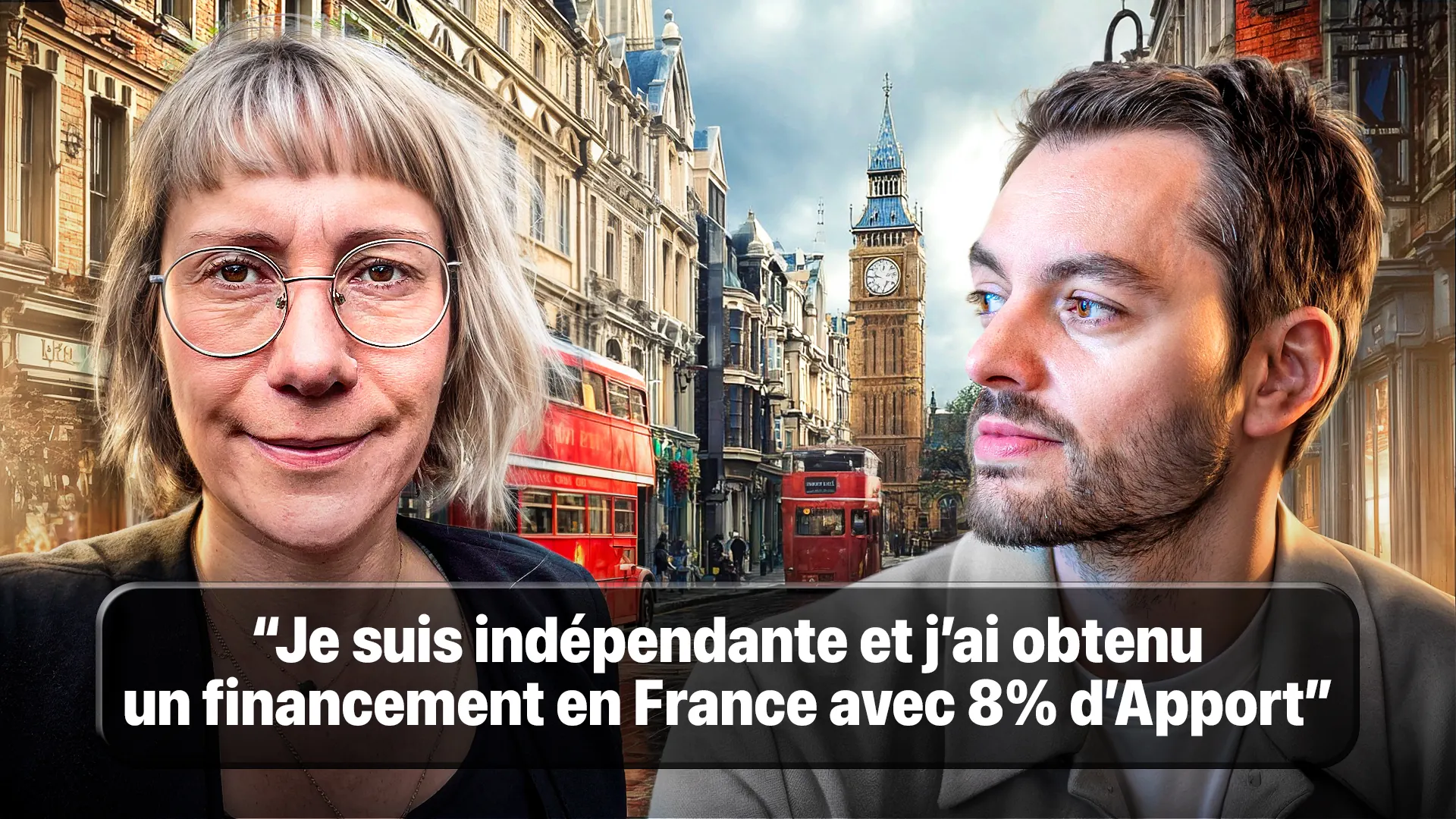




















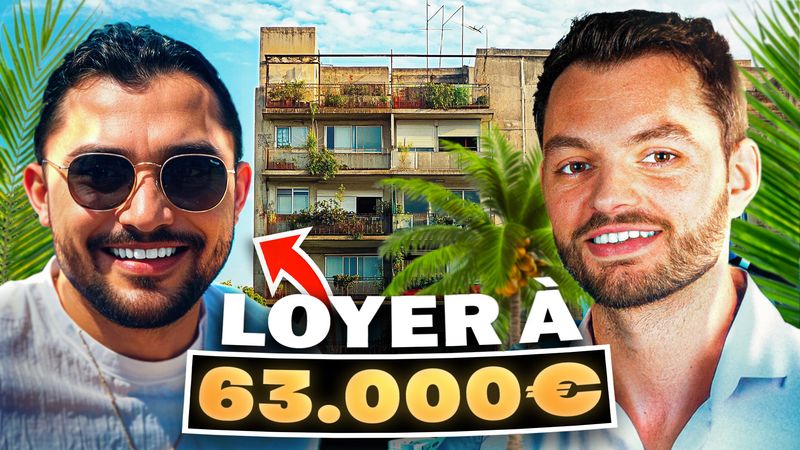
 Lives in Dubai


 Lives in the United Kingdom

 Lives in Spain
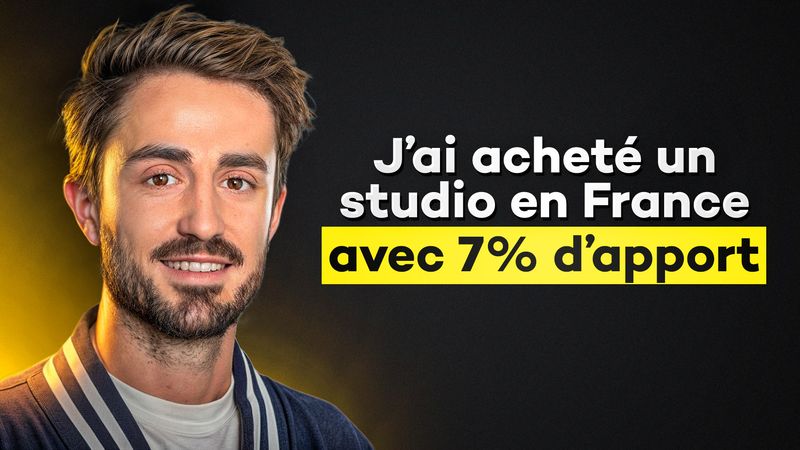
 Lives in the Netherlands



 Lives in Belgium

 Lives in Luxembourg

 Lives in Singapore


 Lives in Thailand
 Lives in Denmark
