Do you need a rental permit in Limoges?
Yes, but only at certain addresses. Since 1 November 2024, Limoges Métropole has required a prior authorisation to let (the rental permit) around the place Carnot and the avenue du Général-Leclerc, and since 1 November 2025 on part of the avenues Garibaldi and Adrien-Tarrade and the rues Hyacinthe-Faure and du Crucifix: 237 addresses in all, listed by the Métropole. You submit the application, with cerfa form 15652 and the diagnostics, before each new lease, unfurnished or furnished; processing takes one month and includes a visit. Letting without authorisation exposes you to a fine of up to €5,000, or €15,000 for a repeat offence. Elsewhere in the city, no authorisation is required at present: check the address on the list published by the Guichet Habitat of Limoges Métropole.
Are rents capped in Limoges?
No. Limoges is not on the list of areas where rent levels are capped, and the municipality is not in a high-pressure housing area (zone tendue): you set the rent freely for the first letting as well as for a relet. It should nevertheless remain consistent with the market, otherwise the home will stay empty. During a lease, the annual revision remains limited by the rent reference index. The strictest limit is energy-related: a home rated G can no longer be let under a new lease since 1 January 2025, and a home rated F will no longer be able to be from 1 January 2028.
Is Limoges a good city for a student studio?
There is demand: the Ministry of Higher Education counts 20,759 students enrolled in Limoges in 2025-2026, and the CHU also attracts healthcare workers and health students. The market is not tight for all that: a studio works if it is close to the campuses, the centre or the CHU, renovated and well furnished. Finally, check whether it lies within the rental permit area, around the place Carnot, where every new lease requires an authorisation.
What budget should you plan for a small flat in Limoges?
With a median price of €1,582 per m² according to DVF, a 35 m² apartment costs about €55,000, before purchase costs. Add notary fees, to be costed by your notary, and a works budget if the energy performance certificate is poor. Prices vary by neighbourhood and by the condition of the property.
How do you manage a property in Limoges when you live far away?
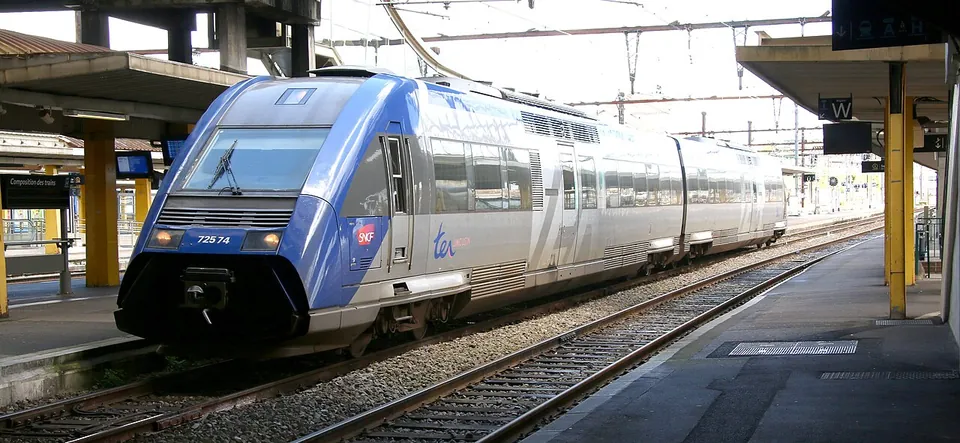
Entrust the management to a local agency that selects the tenants, collects the rent and follows up the works, and ask for inventories with photos and an annual report. To sign the purchase without travelling, a power of attorney at the notary’s office is enough. To come in person, Limoges-Bellegarde airport is linked to Paris-Orly, with 11 flights a week in November 2026 and 1 h 05 of flying, and to London-Stansted, with a shuttle from the Bénédictins station; by train, allow 3 h 25 at the quickest from Paris-Austerlitz. If the property lies within the rental permit area, allow one month of processing before each new lease.
Is an empty home taxed in Limoges?
Yes. Limoges has applied the housing tax on vacant homes since 2013: 1,906 homes were subject to it in 2025, according to the DGFiP. By a resolution of 30 September 2026, the municipal council introduced the new vacancy tax on residential premises, due from 2027 for a home that has been empty for at least two years on 1 January, calculated on the rental value; the resolution does not set a rate, which the law caps at 50%. A home occupied for more than 90 consecutive days, or left empty for reasons beyond your control, is not taxed: keep a record of your advertisements and your letting efforts.
Is the centre of Limoges a protected area?
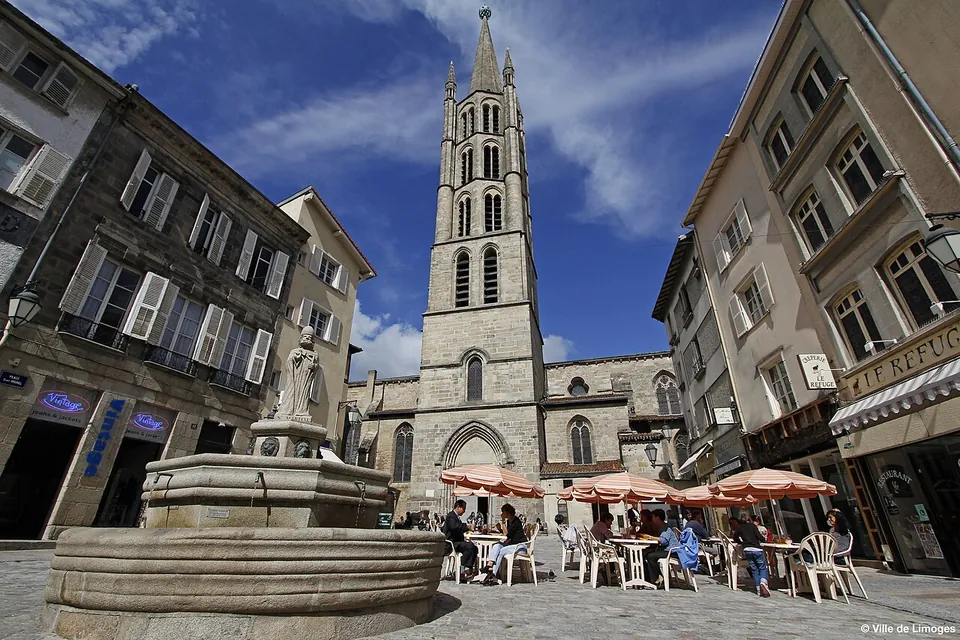
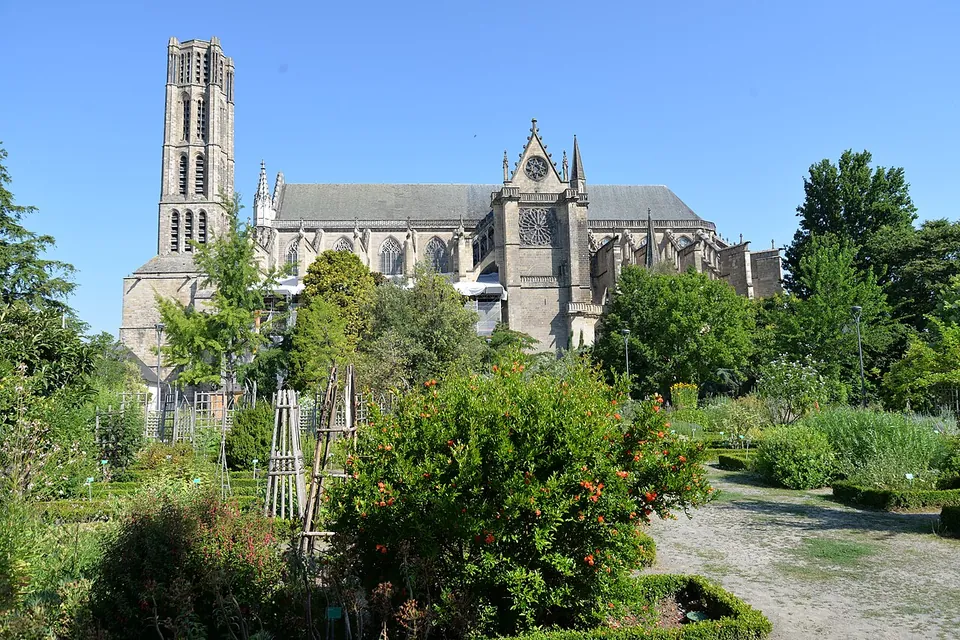
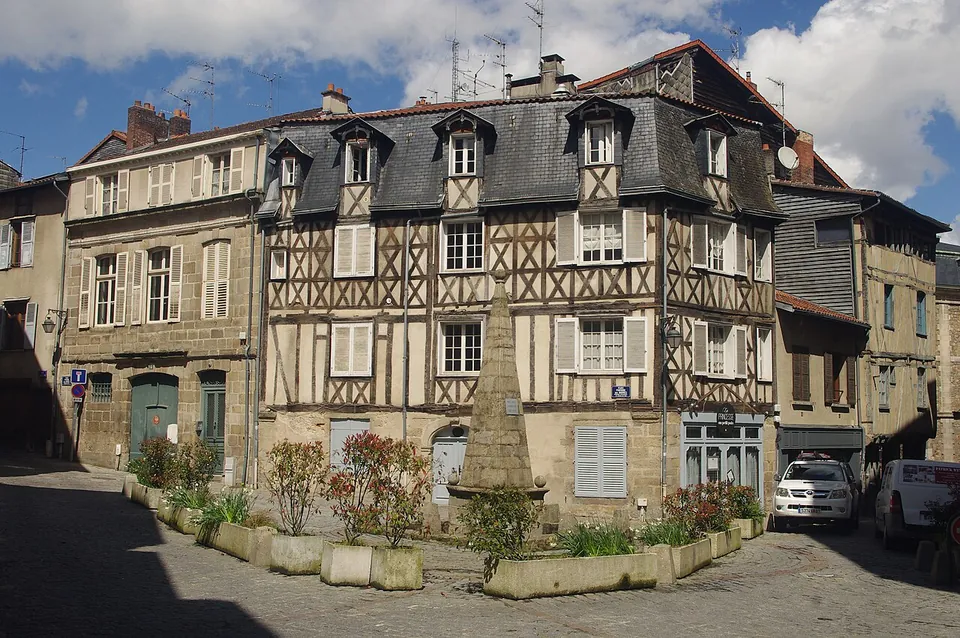
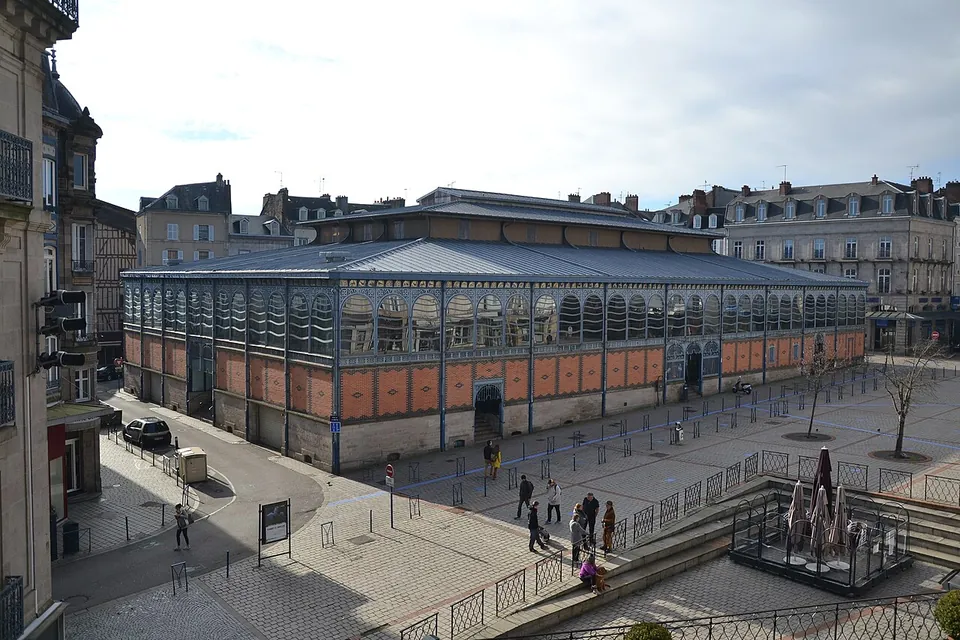
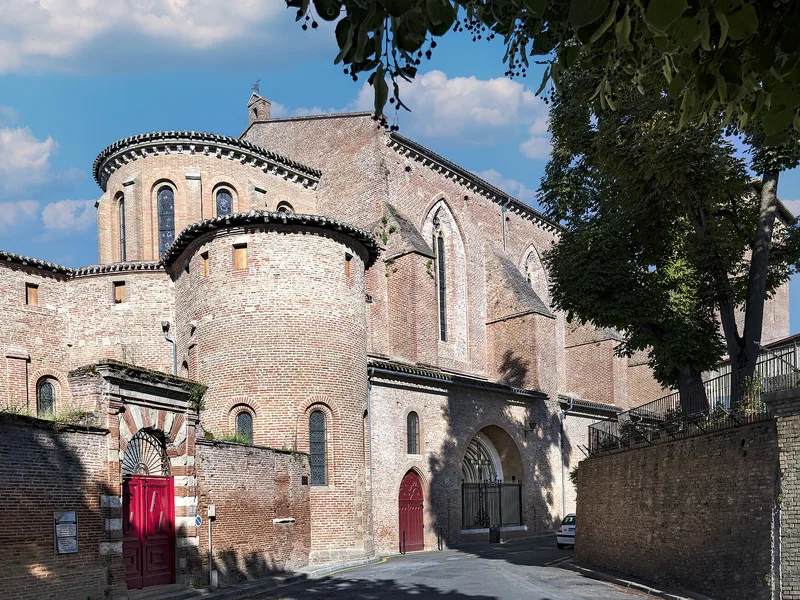
Yes. A remarkable heritage site, arising from the protection zone created by order of 31 May 2007, covers about 667 hectares: the Cité, the Château, the place de la République, the rue Jean-Jaurès, the Boucherie, Carnot, Garibaldi, the Coutures and the Bénédictins station. Works that change the outside of buildings there require the approval of the Architecte des Bâtiments de France (the state heritage architect). The City also requires façade renovation in several streets of the centre, with a 30% grant capped at €130,000 excl. VAT of works.
Can you benefit from the Denormandie scheme in Limoges while living abroad?
No. Limoges is in Action cœur de ville and in a territorial revitalisation operation (ORT), which opens the Denormandie scheme, even though the national monitoring of agreements indicates an end date of 31 December 2026. But the tax reduction is reserved for taxpayers whose tax residence is in France: a non-resident expatriate is not entitled to it.
What risks should you check before buying in Limoges?
Four flood risk prevention plans cover the banks of the Vienne, the Aurence, the Auzette and the Valoine, with red zones along the watercourses. The municipality is in radon potential category 3, the highest, and in seismic zone 2, low; it has also been recognised as a natural disaster area for droughts, the latest in 2025. Read the risk statement attached to the preliminary sales agreement.
What budget should you plan for investing in Limoges?
According to sales recorded in DVF from January 2025 to December 2025, a studio sold for a median price of €48,000, a two-room apartment for a median price of €72,000 and a large home for a median price of €102,500. Allow about 8% notary fees on top for older properties, and a works budget if the energy rating is poor.
What is the property tax (taxe foncière) in Limoges?
In 2026, the municipal property tax rate is 42.13%, plus 2.20% for the intercommunal authority. These rates apply to half the cadastral rental value of the home: ask the seller for their latest property tax notice to know the amount.
How much does a property in Limoges earn after tax when you live abroad?
For a 40 m² furnished two-room apartment bought for €63,280 and let for €536 a month, about 8.8% of the price remains after tax if you are covered by a scheme in the European Union, the EEA, Switzerland or the United Kingdom without depending on a mandatory French scheme, and 8.2% otherwise, under the micro-BIC regime and at the minimum rate of 20%. Charges, property tax and purchase costs are not deducted.
What happens if I sell my property while living abroad?
The capital gain is taxed in France at 19%, plus social contributions, and the notary withholds this tax at the time of sale, with an exemption from tax after 22 years and from social contributions after 30 years of ownership.